
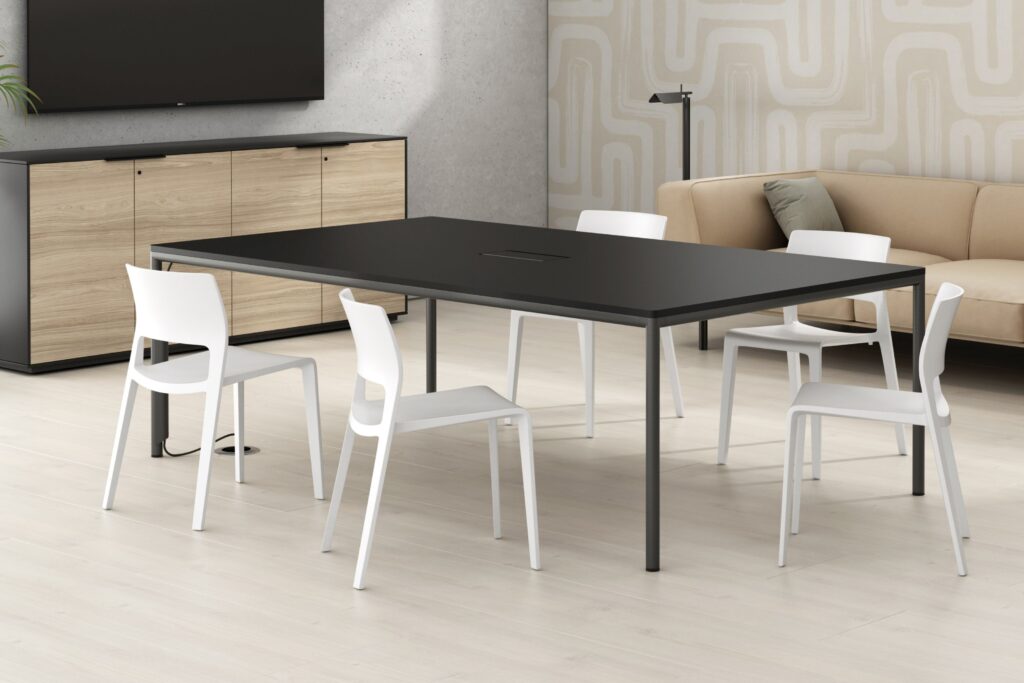
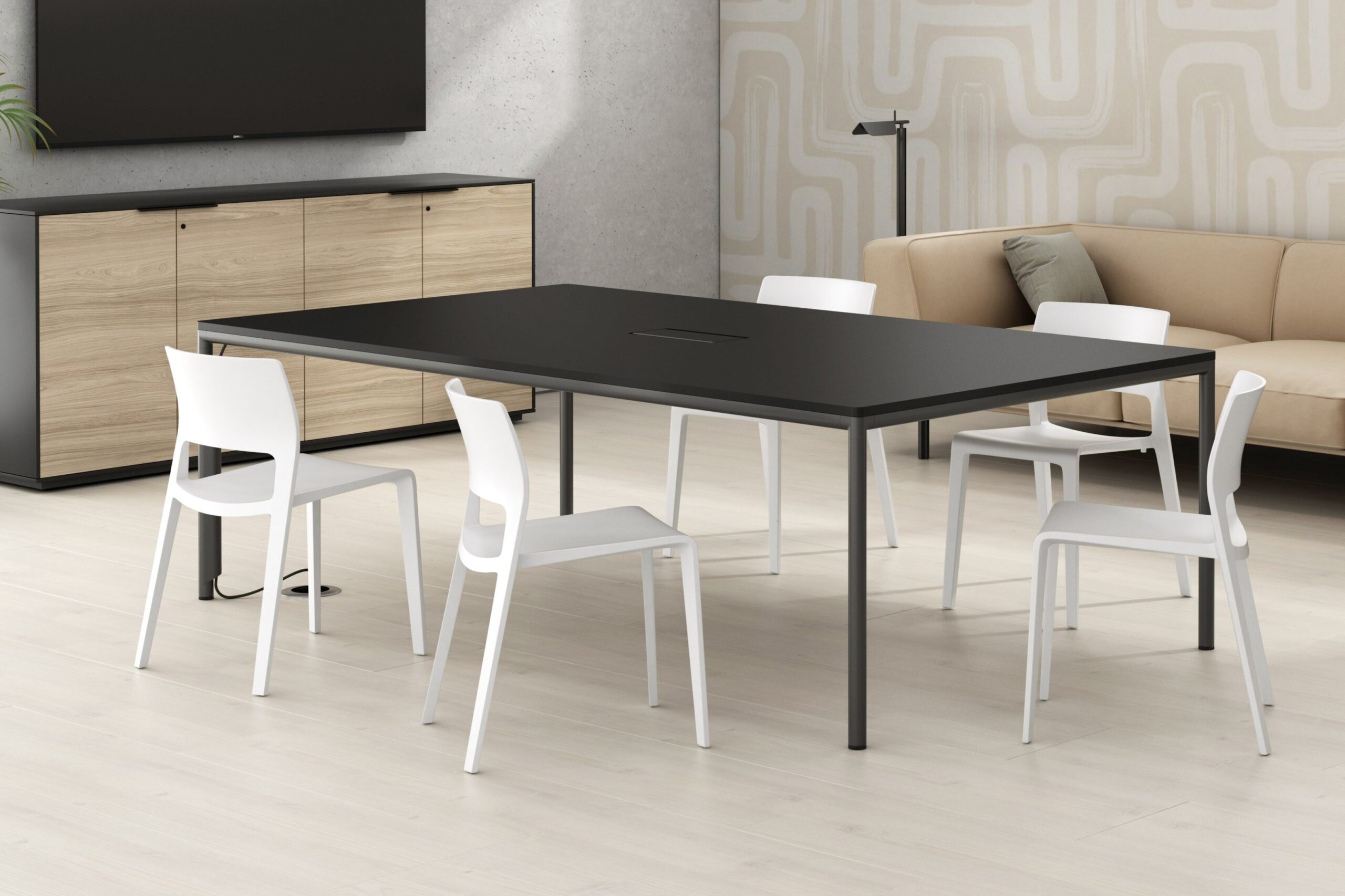
The experience of a finish
Surfaces do more than reflect light; they set the tone. A matte finish absorbs the day quietly; a natural texture invites touch. Subtle differences in color and tone change how a space feels: warm or cool, lively or calm.
Even when no one can name why, people respond to what feels right. Grain-matched wood makes a surface look complete, while mismatched patterns feel jarring. Color can soften, energize, or steady a room before anyone says a word. These things aren’t decorative, they’re directional. They shape how we use the space without needing to tell us how.
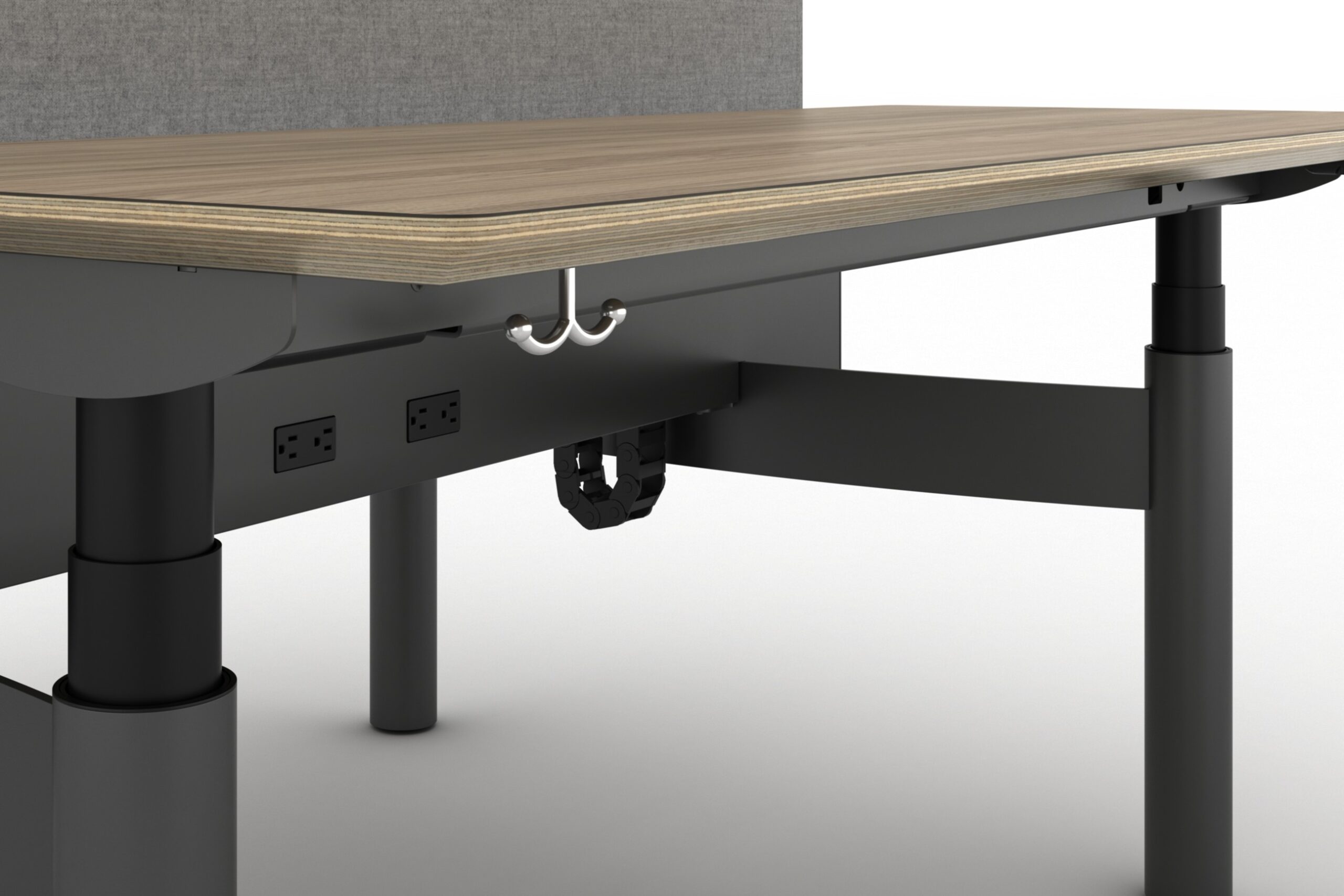
The simple courtesy of a hook
There’s something reassuring about a small place to hang your bag. In hoteling workstations, it’s a quiet acknowledgement: you belong here for now. At a shared table, it keeps surfaces open and conversations flowing.
A hook is simple, but it’s also generous. It prevents clutter, keeps a space orderly, and shows that someone considered what it means to arrive. Details like that don’t just organize a workspace, they extend an invitation.
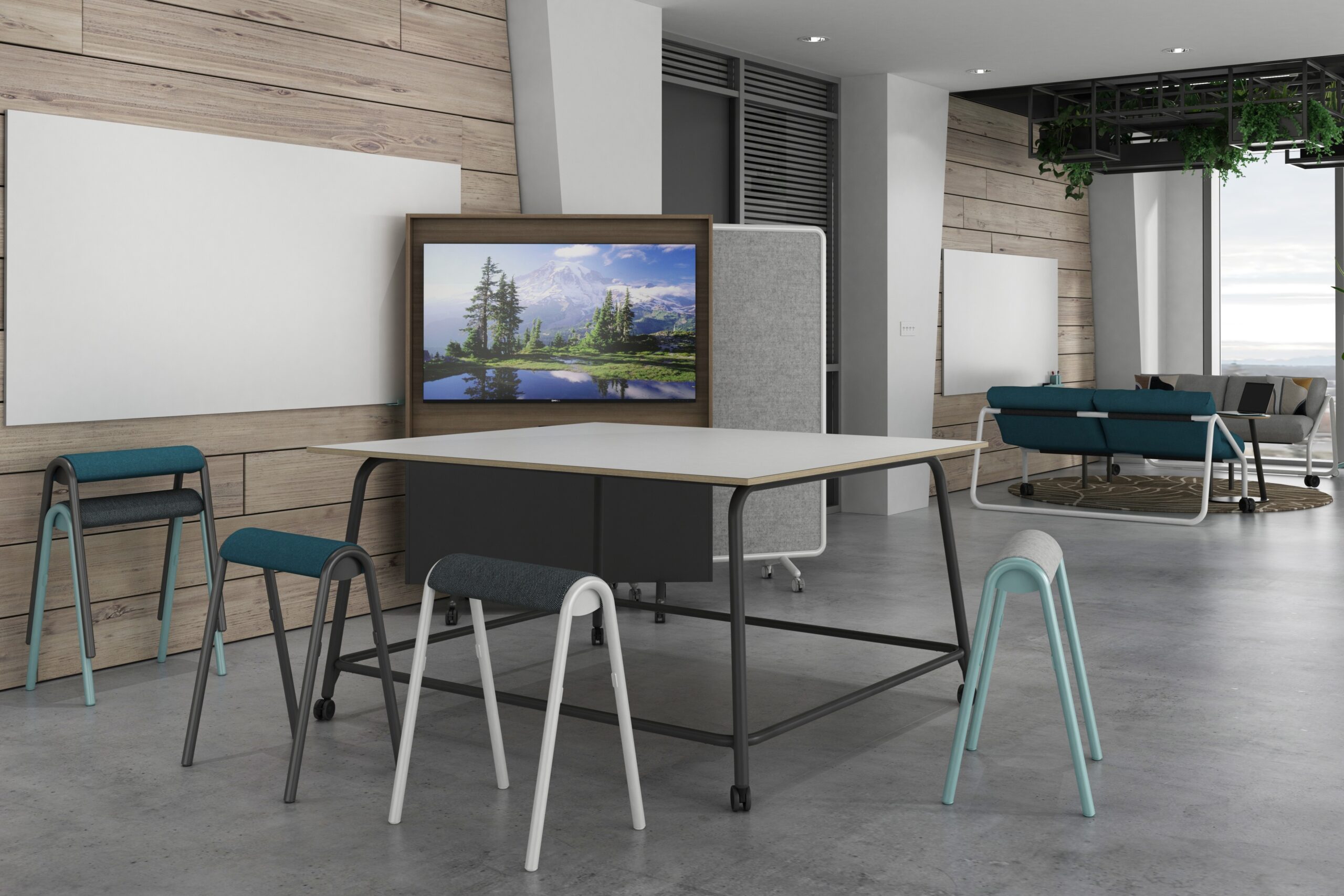
Comfort that invites energy
A footrail, a perch, a place to shift weight – these are small gestures that make a big difference. When people can move, they stay engaged. The conversation flows.
We’ve all been in spaces that look good but feel stiff. No one lingers because there’s nowhere to get comfortable. A simple footrail changes that. It encourages movement and makes it easier to lean in, to talk longer, think bigger, or stay just a little bit longer. Comfort creates energy, and energy keeps ideas in motion.
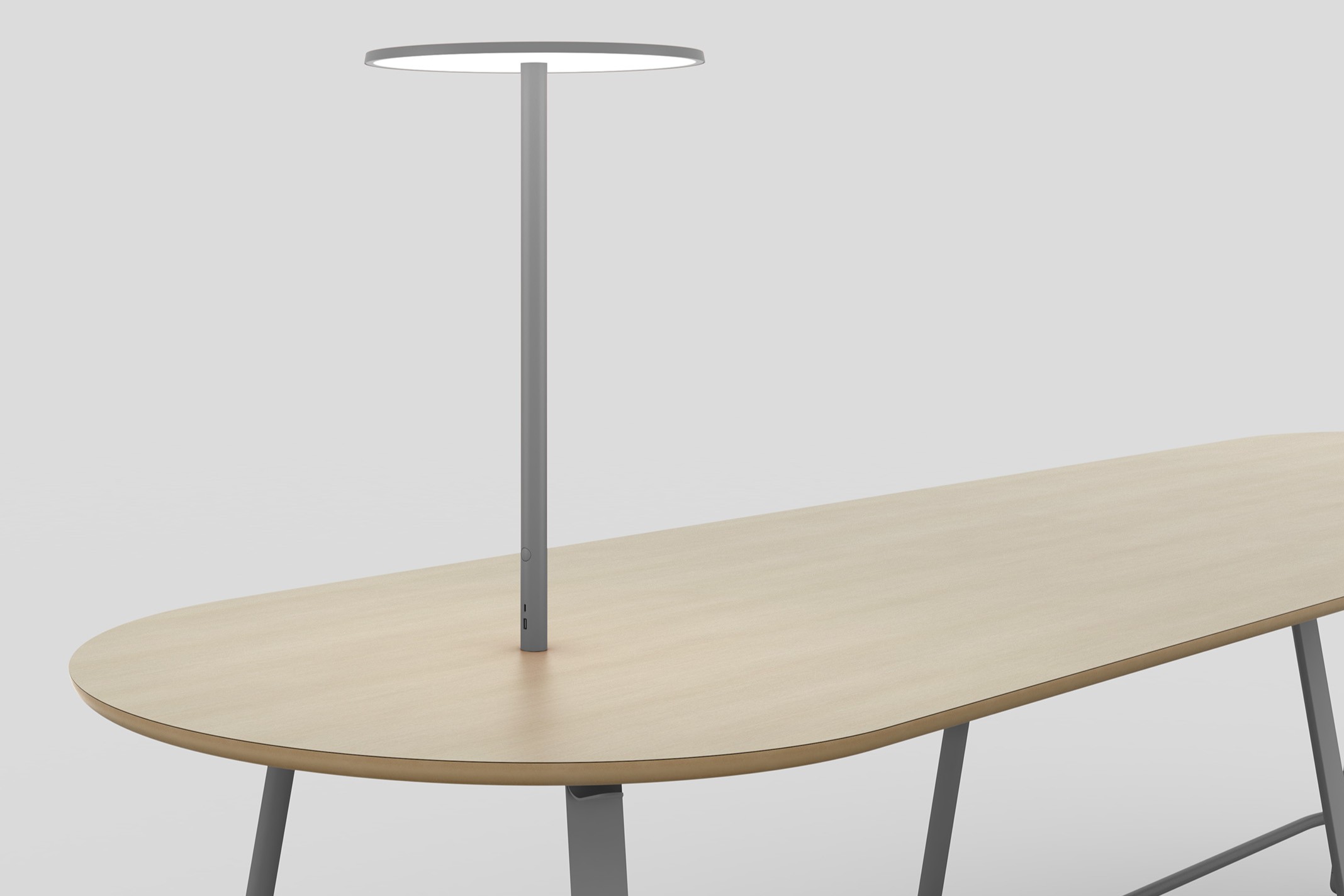
Access as invitation
Power isn’t just a convenience; it’s permission to stay. When outlets are scarce or awkwardly placed, people move on. But when access is built in, whether through a desk dock, a neighborhood light, or a subtle flip port, it sends a different message.
Graceful power is a quiet signal: we expect you’ll be here awhile. Charge up, spread out, focus. The best work happens when the furniture supports it, literally and figuratively.
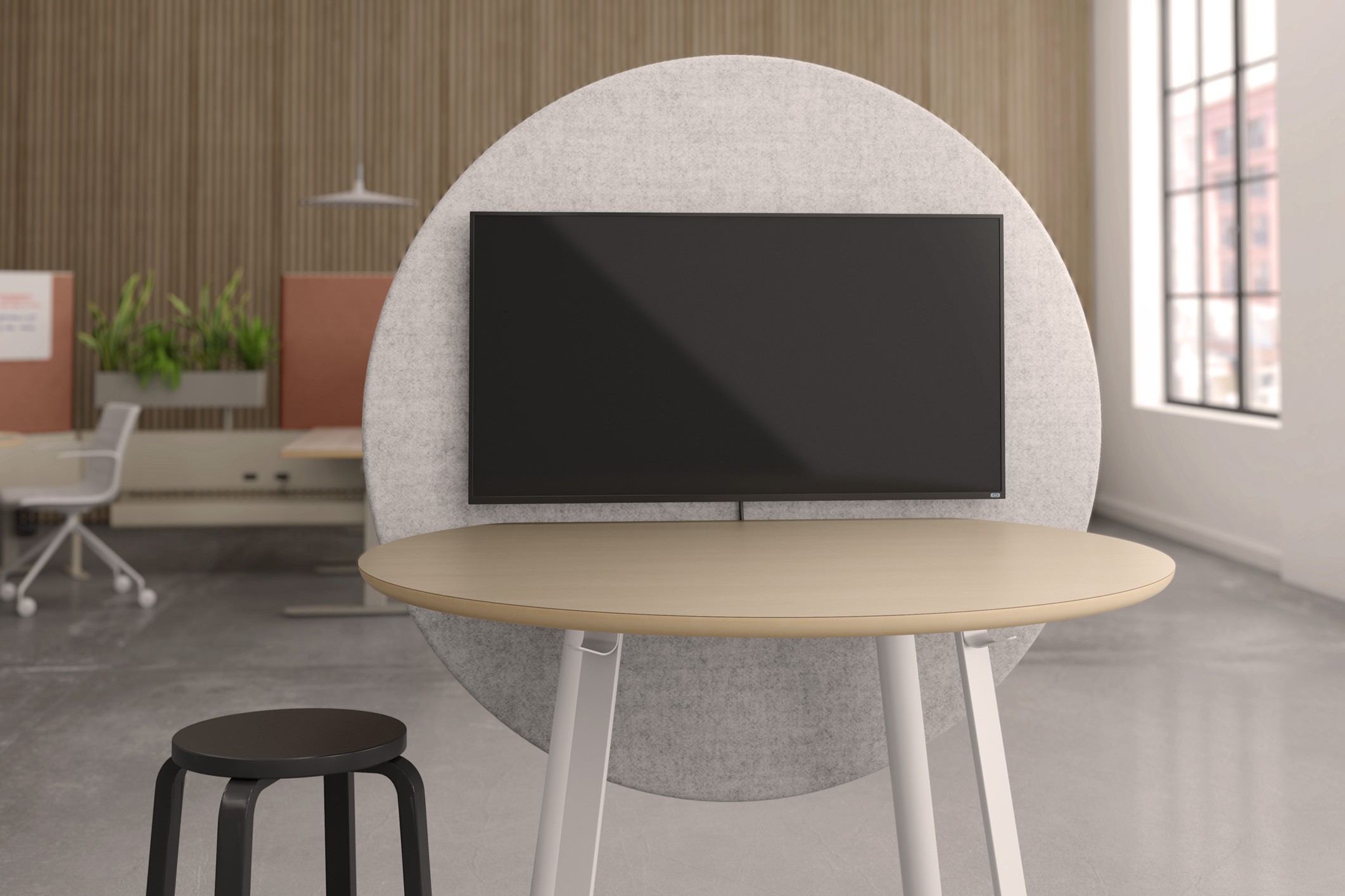
The approachability of an edge
Edges communicate more than we realize. A sharp one looks formal; a soft curve feels open and human. The difference is subtle but constant; we interact with edges every time we sit down, rest an arm, or steady a hand.
A well-shaped edge invites contact. It lets people lean in, grab on, and get comfortable. It turns a table from a barrier into a gathering place. When form meets touch, the message is clear: this space is meant to be used.
The gravity of design
We don’t always know why certain spaces hold our attention, but we recognize them when they do. It’s the sum of a hundred quiet design decisions, the surfaces we touch, the edges we lean on, the places that make it easy to stay a little longer. Design is more than what we notice at first glance. It’s not just about style or statement, it’s about what a space makes possible once you’re in it.
The most well-loved spaces have a way of beckoning, not boasting. You find yourself leaning in, staying a little longer, returning without thinking why. That pull isn’t obvious or loud; it’s steady. The kind you feel more than you see.